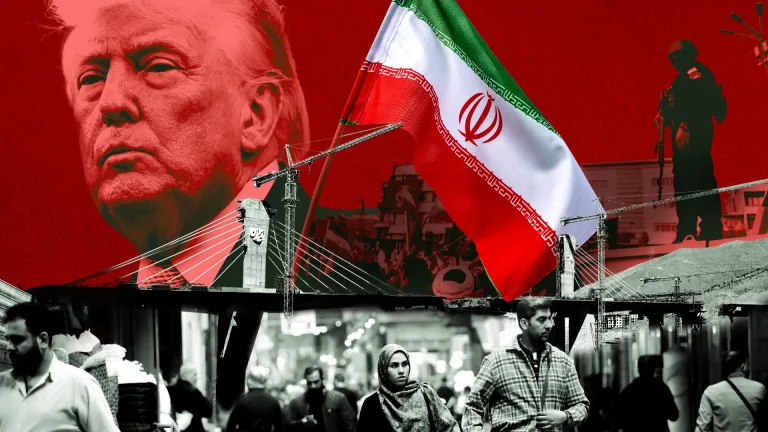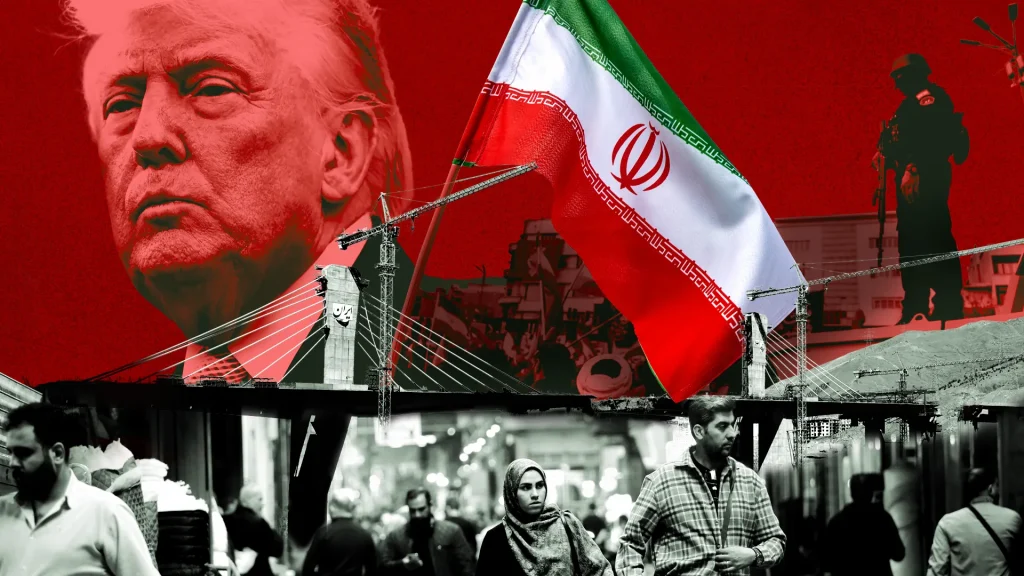
The conflict in Iran in 2026 did not begin suddenly. It is the result of many years of tension, political disagreements, and strategic competition between Iran and countries like the United States and Israel. Understanding this war requires looking at both historical and recent causes.
Historical Background
The relationship between Iran and the United States has been tense since the 1979 Islamic Revolution. After that event, Iran became an Islamic republic and opposed Western influence, especially from the U.S. Since then, both sides have had deep political distrust.
Over the years, disagreements increased بسبب Iran’s nuclear program, its development of ballistic missiles, and its influence in the Middle East through allied groups. Efforts to create peace agreements, such as the 2015 nuclear deal, eventually failed, increasing tensions again.
Immediate Causes of the War
The war in 2026 began when the United States and Israel launched large-scale military strikes against Iran as part of a coordinated operation. These attacks targeted Iran’s military infrastructure, missile systems, and leadership.
The main reasons for these attacks include:
- Nuclear Concerns: The U.S. and its allies feared that Iran was close to developing nuclear weapons.
- Military Threats: Iran’s missile program and regional influence were seen as a danger to nearby countries and global security.
- Regional Power Struggle: Iran and Israel have long been rivals, competing for influence in the Middle East.
Iran’s Response
After the initial attacks, Iran responded with missile and drone strikes targeting U.S. bases, embassies, and oil infrastructure across the region. This caused the conflict to spread beyond Iran and affect many neighboring countries.
Internal Problems in Iran
At the same time, Iran has been facing serious internal issues:
- Economic crisis and inflation
- International sanctions
- Large protests بسبب poor living conditions
These problems weakened the country and made the situation more unstable before the war even started.
Global Impact
The war has affected the entire world, not just Iran:
- Oil prices increased
- Trade routes were disrupted
- Flights and shipping in the Middle East were heavily affected
Recent reports also show that the conflict is damaging global economies and supply chains, especially in Europe and Asia.
Conclusion
In conclusion, the war in Iran is happening because of a combination of long-term political tensions, nuclear concerns, regional rivalry, and recent military actions. It is not caused by a single event, but by years of conflict and failed diplomacy.
The situation remains complex, and its outcome will likely shape the future of the Middle East and global politics.
If you want, I can also simplify it, make it shorter, or format it like a blog post with headings and SEO keywords.
About the Author